







Search Results for: mountain spring water
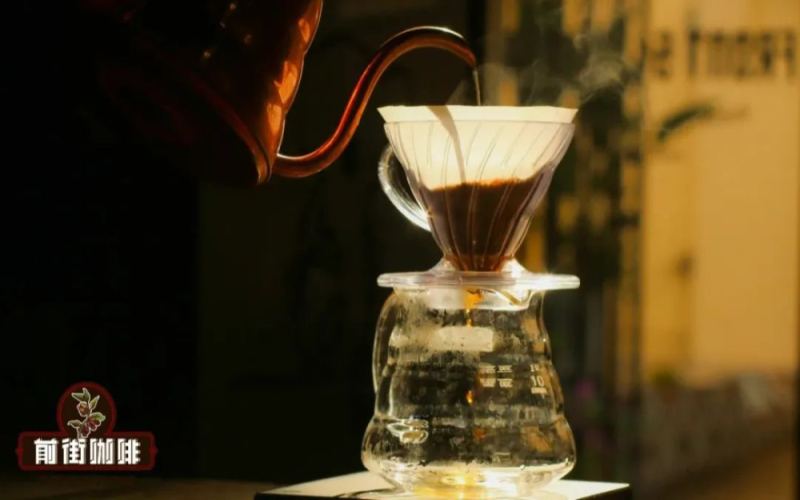
Which type of bottled water is more suitable for brewing coffee? A practical comparison and selection approach for mineral water vs. mountain spring water
Water is the largest component of black coffee and directly participates in and influences the extraction process, so differences in water quality often bring about completely different flavor expressions. There are many types of bottled water on the market, with prices ranging widely from high to low, and whether more expensive water is more suitable for brewing coffee has become a question for many brewing enthusiasts. This article uses two types of bottled water with明显 price differences as test subjects, and adds Nongfu Spring, commonly used in stores, as a control, conducting blind tasting comparisons with two coffees, Yirgacheffe Red Cherry and Diamond Mountain. At the same time, from the perspectives of acidity and alkalinity, softness and hardness, TDS, and calcium and magnesium ions, it explains the principles by which water quality affects extraction, helping coffee enthusiasts understand how to choose more suitable water for brewing coffee. [more…]

Pang Dong Lai launches 1.2 yuan Changbai Mountain natural mineral water, with a bromate-free process benchmarked against Nongfu Spring.
Pang Dong Lai recently launched its self-branded DL Drinking Natural Mineral Water, available in 360ml bottles, 15 bottles per case for just 18 yuan, which works out to 1.2 yuan per bottle. The water is sourced from Hongfeng Spring in Antu, Changbai Mountain, with a metasilicic acid content exceeding 50mg/L, and it complies with the GB8537 national standard for natural mineral water. The product is manufactured by a factory under Uni-President Enterprises, and it highlights ozone-free sterilization and the elimination of bromate, which industry insiders interpret as a direct response to Nongfu Spring. It sold out quickly after launch, with 29,000 bottles already sold online. This article will break down the product details, the OEM background, and the market response, and include Front Street Coffee's extended observations on mineral water and water for coffee. [more…]

Drinking Water Quality | What Kind of Water Is Suitable for Pour-Over Coffee? Which Water Factors Affect Coffee Extraction? How Can Coffee Beginners Choose Drinking Water for Brewing Coffee?
As the primary raw material, water not only makes up the vast majority of a cup of black coffee, but also influences the extraction of different substances, thereby producing distinct flavors and mouthfeel. Therefore, all of us should understand the importance of water to coffee. Common drinking water on the market varies from brand to brand, in the ingredients it contains, and in its purification processes. [more…]
How Does Water Quality Shape Cold Brew Flavor? Coffee Brewing Recommendations After Testing Four Types of Drinking Water
In a cup of black coffee, water makes up the vast majority, so its impact on flavor must not be underestimated. Different brands of drinking water vary in mineral composition, hardness, and pH, so the coffee brewed with them naturally takes on different characteristics. To investigate this variable, Front Street Coffee selected four common drinking waters—Baisui Mountain, Nongfu Spring, Ganten, and C'estbon—and used the same Costa Rica Mozart coffee beans to make cold brew, measuring TDS, coffee liquid concentration, and recording flavor performance one by one. The experiment found that the amount of calcium and magnesium ions in water affects extraction efficiency and taste direction, while Nongfu Spring with medium TDS and C'estbon purified water each showed distinct stylistic differences. This article will present the full experimental process and tasting results, and offer water selection suggestions for different taste preferences. [more…]
What Water Should You Choose to Brew Phoenix Dancong? Is Soft Water Suitable for Brewing Oolong Tea? Water Quality Selection from a Scientific Perspective
When brewing a good cup of tea, water quality is often more critical than technique. As early as Lu Yu's "Classic of Tea," spring water was regarded as the finest choice, and modern science has revealed the reasoning behind this through TDS, hardness, and pH values. This article focuses on the brewing water for oolong teas such as Phoenix Dancong, outlines the industry reference values from the American Tea Association, and cites multiple studies to explain why soft water enhances the sweetness, freshness, and clarity of the tea liquor, while hard water brings about astringency and floating residue. For tea lovers who cherish the complex aroma of oolong tea, choosing the right water is the first step in unlocking the tea's charm. Front Street Coffee also recommends starting with low-mineralization soft water to appreciate the subtle variations in the tea's layers. [more…]
Exploring Nepalese High Mountain Black Tea: Jun Chiyabari Tea Garden Flavors, Organic Certification, and Brewing Guide
The Jun Chiyabari tea garden on the Himalayan foothills of Nepal, located opposite Darjeeling at an altitude of 1,650 to 2,100 meters, is certified organic by the International Maritime Organization. Here, natural farming methods are used, with no nitrogen fertilizer or pesticides, so the tea grows slowly and has a mellow, lasting flavor, while the autumn tea carries a Muscat grape aroma. Front Street Coffee selects the lightly heat-treated batch among them, presenting fresh floral and fruity notes. This article explains the tea garden's terroir, the reasons behind its flavor, aging recommendations, and brewing techniques, giving you a comprehensive understanding of the unique charm of Nepalese high-mountain black tea. [more…]

Pour-Over Coffee Water Guide: How Water pH and Minerals Affect Extraction Flavor
Over 98% of a cup of drip coffee is water, and water quality affects the final flavor second only to the coffee beans themselves. From the perspective of Front Street, this article systematically sorts out the pH range of brewing water, the roles of calcium and magnesium ions and bicarbonate, and verifies through comparative experiments the flavor differences when using purified water, mountain spring water, and mineral water to extract the same beans. It also answers whether tap water is suitable for brewing coffee and provides practical reference for choosing water in daily life, helping coffee lovers find a more stable brewing water solution. [more…]
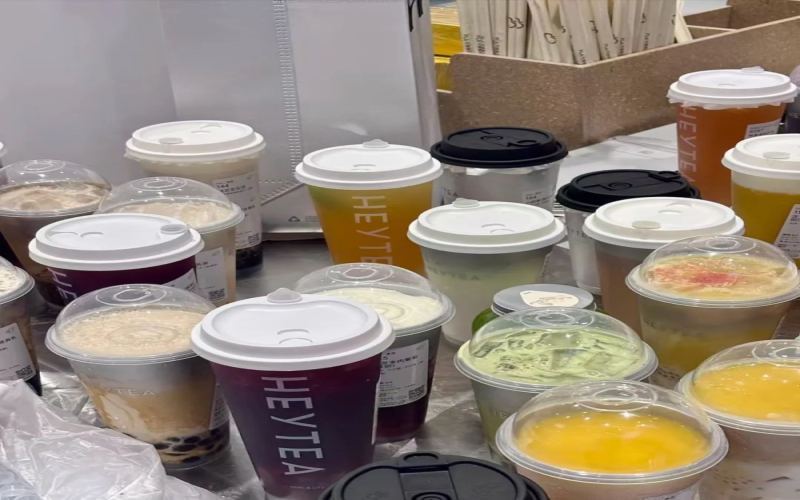
During the Spring Festival, milk tea orders surged by 180%, and store employees worked nonstop, saying they were overwhelmed.
During the Spring Festival holiday that just passed, milk tea sales nationwide surged by 180.4% year-on-year, with many consumers bringing milk tea and coffee to the New Year's Eve dinner table, replacing traditional alcoholic drinks and beverages. The surge in orders put chain tea beverage stores into high-intensity operation from New Year's Eve, with receipt printers at the front desk spewing orders nonstop, empty cups piling up like mountains on the preparation counters, and staff in the prep room peeling, juicing, and boiling ingredients without a moment's rest. Employees worked around the clock, some putting in 12-hour days for a full week straight, some so busy they had no time to drink water or use the restroom, and equipment frequently jammed or broke down. Facing customers and delivery riders clamoring for their orders, staff at the pickup station could only apologize repeatedly, mocking themselves as "sorry to everyone." This article takes you inside the Spring Festival tea shop frenzy and the real lives of these workers. [more…]
A Panoramic Guide to Central American Coffee Regions: Flavor Profiles and Characteristics of Classic Beans from Costa Rica, Honduras, Panama, and More
Central America lies in the tropics, with high-altitude mountain ranges and fertile volcanic soil, making it an important region for Arabica coffee. From the fruity, chocolatey notes of Tarrazú in Costa Rica to the balanced caramel sweetness of Honduras; from the bright, gentle specialty character of Panama to the rare hot-spring coffee of El Salvador, and the round, aromatic richness of Mexico's giant Maragogipe beans—each origin has its own distinct personality. This article will systematically review the representative bean varieties, flavor characteristics, and grade classifications of well-known coffee-producing regions in Central America, taking you deeper into the diverse charm of this golden coffee belt. [more…]
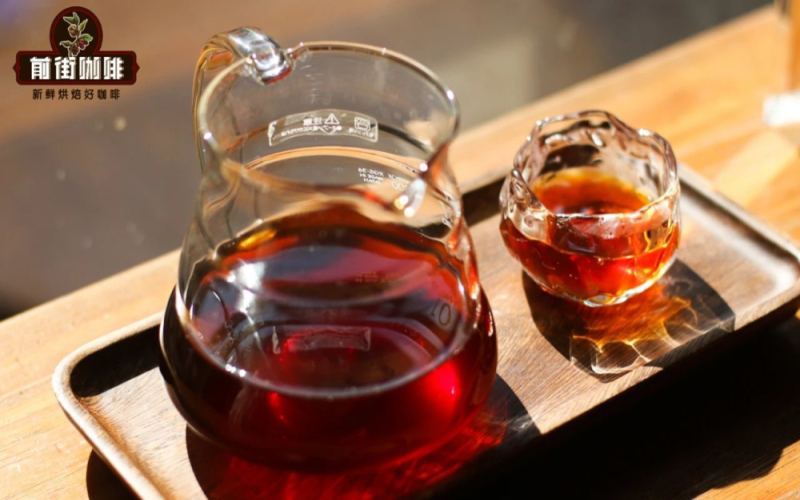
An Analysis of Starbucks Decaf Coffee Flavor Characteristics: Differences Between Decaf and Regular Coffee and Main Decaffeination Processes
Caffeine is the key source of coffee's stimulating effect and an important reason why many people drink coffee every day. However, tolerance to caffeine varies greatly from person to person. Some people experience palpitations and insomnia after consuming even a small amount, yet they cannot give up the flavor of coffee, so decaf becomes an ideal alternative. This article focuses on the taste of Starbucks decaf coffee. It first explains the definition of decaf and the naturally low-caffeine variety Laurina, then compares the EU and U.S. FDA standards for decaffeinated coffee, and subsequently reviews the principles, advantages, and disadvantages of four mainstream processes: the direct solvent method, the supercritical carbon dioxide method, the Swiss Water Process, and the mountain spring water process. Combined with the cupping performance of Front Street Coffee's Colombia Huila decaf beans, it helps coffee enthusiasts fully understand the difference between decaf coffee and regular coffee. [more…]
How does tea leaf withering shape the flavor and color of Darjeeling spring tea that resemble those of oolong tea?
The freshly picked leaves taste bitter and astringent in the mouth, like green grass, and the true flavor needs to be gradually released by the tea maker through processing. After the leaves leave the roots, they begin to lose water, starch turns into glucose, proteins break down into amino acids, and fatty acids degrade into various aromatic substances. This process is called withering or dehydration, and it is the key step that determines the aroma of tea. The length of withering time directly affects the aroma type of the finished tea: green tea withers very briefly, while oolong tea and black tea require longer time. Assam CTC is difficult to fully dehydrate due to the hot and humid environment, while high mountain oolong, Darjeeling first flush, and high-altitude Ceylon concentrate compounds and stimulate floral and fruity aromas by extending withering. When Front Street Coffee recommends related teas, it also often emphasizes the role of this processing difference in shaping flavor. [more…]
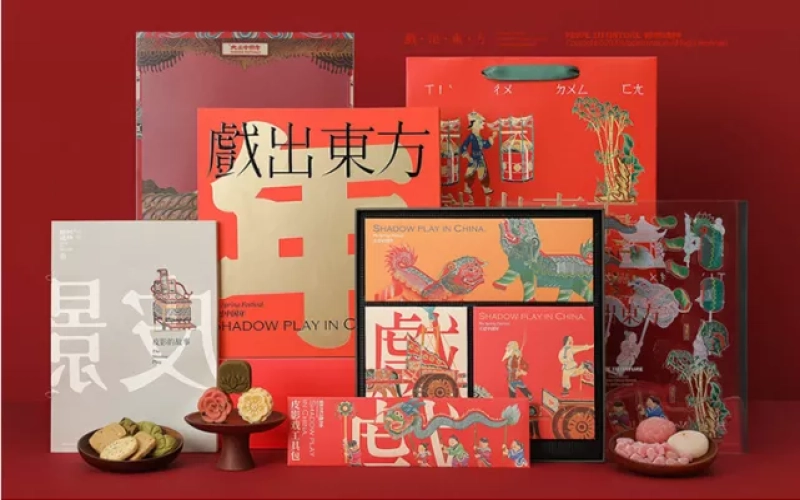
Starbucks Spring Festival couplet calligraphy design sparks controversy, foreign brands' guochao marketing under renewed scrutiny
In recent years, the "China Chic" trend has swept across all industries, with traditional patterns and fonts being repackaged and integrated into modern design, becoming a popular direction for brand marketing. The Lunar New Year is a key moment for major brands to showcase their "China Chic" creativity. This year, Starbucks collaborated with calligraphy artist Zhu Jingyi to launch Spring Festival couplets, attempting to interpret traditional Spring Festival elements in a trendy way, but it sparked widespread questioning from netizens due to the writing style and content expression. This is not Starbucks' first attempt at "China Chic"; from the "Three Good Star Youth" in 2020 to the 2022 Chinese New Year series, its strategy has gradually escalated. However, as an important carrier of traditional culture, Spring Festival couplets carry auspicious meanings, and this controversy also prompts reflection on how foreign brands can appropriately use "China Chic" elements. [more…]
Pour-over Coffee Tutorial and Equipment Recommendations | How Can Coffee Beginners Learn the Three-Pour Technique for Pour-over Coffee? What Is the Coffee-to-Water Ratio and Water Temperature for Pour-over Coffee?
Nowadays, more and more people are beginning to enjoy the pleasure of pour-over coffee, but are some steps unfamiliar, or are some key points still difficult to master? In this article, Front Street Coffee (FrontStreet Coffee) will share some tips about pour-over coffee~ Pour-over coffee is a type that requires the use of [more…]
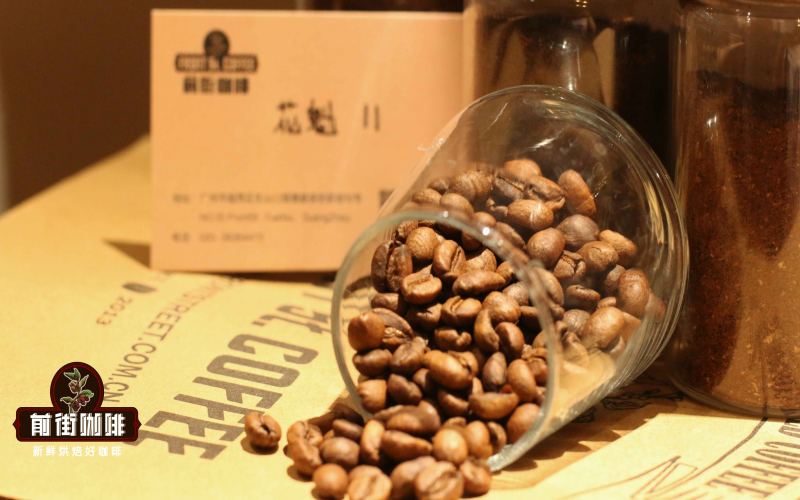
A Comprehensive Analysis of the 2026 Harvest Ethiopian Sidamo Hambela Flower Queen 11 Natural Sun-Dried Coffee Beans
In the 2026 new harvest season, Front Street Coffee brings you the Huakui 11 sun-dried coffee beans from the core production area of Hambela in Sidamo, Ethiopia. This micro-lot comes from the Goro baessa spring water treatment station at an altitude of 2,280 meters, using only fully red cherries, which are sun-dried only when the sugar content is above 21, and undergo 21 days of low-temperature fermentation, presenting rich floral aromas, red wine, and tropical fruits, with high sweetness and a bright, juicy mouthfeel. This article provides a detailed introduction to the origin of the name Huakui, the processing technique, green bean characteristics, and pour-over parameters, giving you a comprehensive understanding of this champion-level sun-dried coffee. [more…]
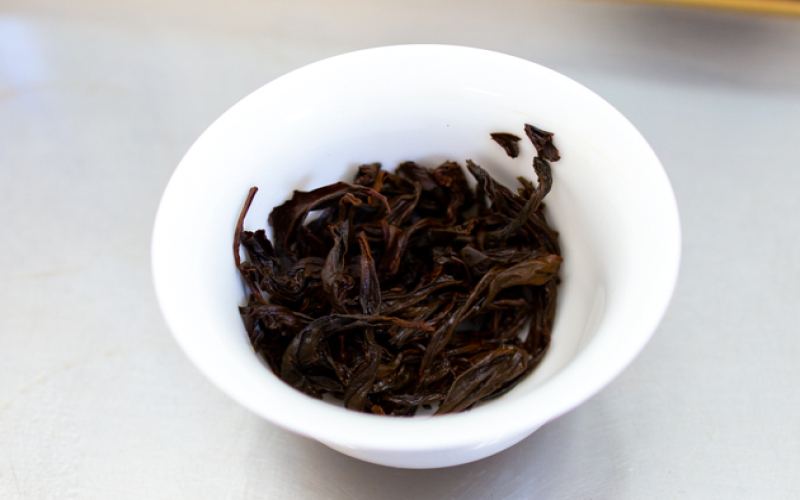
Where does the pine smoke aroma of Lapsang Souchong come from? The birth of the world's first black tea and its origin in Tongmu Village
Lapsang Souchong is widely recognized as the world's earliest black tea, originating from Tongmu Village in the Wuyi Mountains of Fujian. Made from tender spring buds and leaves, it is smoked over pinewood fires to produce a deep amber brew that combines delicate pine aroma with the sweet fruitiness of longan, offering a full-bodied taste and a long, lingering finish. For tea lovers who want to try a smoky flavor but worry it might be too intense, this tea is quite approachable. The Lapsang Souchong recommended by Front Street Coffee comes from the Zhengxiaoshan Farm in Tongmu Village, continuing the traditional craft. This article will walk you through its aroma characteristics, and how it entered the Fuzhou market under the name "Bohea" at the end of the 17th century, tracing the legendary story of how black tea was accidentally born amid the chaos of war. [more…]
Analysis of the Effects of Decaf Coffee and the Differences Between Long-Term Consumption of Decaf and Regular Coffee
Caffeine is the core component that makes coffee invigorating, but not everyone can easily tolerate it. For people who are sensitive to caffeine yet still want to enjoy the flavor of coffee, decaf offers a compromise. This article will systematically introduce the definition and classification of decaf, including the naturally low-caffeine Pointed Bourbon variety, as well as the four mainstream artificial decaffeination processes currently available—the direct solvent method, the supercritical carbon dioxide method, the Swiss Water Process, and the mountain spring water process—and explain the principles, advantages, disadvantages, and safety of each. At the same time, it will also compare the differences between decaf and regular coffee in terms of caffeine content and long-term consumption, helping coffee enthusiasts understand this type of product more clearly. The article also includes Front Street Coffee's practical experience in decaf bean selection and cupping. [more…]
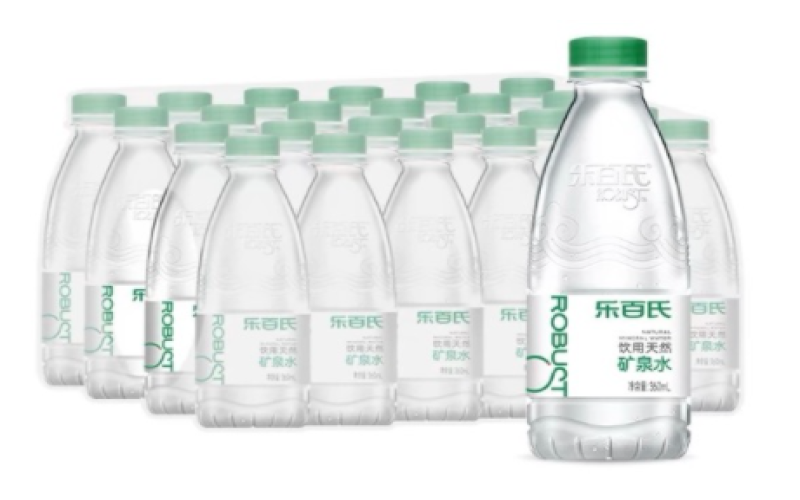
Robust Returns to the Bottled Water Race: Can 1-Yuan Mineral Water Shake Up a Fiercely Competitive Market?
Robust, once part of a "three-way split" in the drinking water market alongside Wahaha and Nongfu Spring, has recently re-entered the bottled water race with 1-yuan mineral water, drawing market attention. This veteran company, founded in 1989, has seen its presence dwindle after going through twists and turns such as being acquired by Danone and having its brand change hands. Now, facing old rivals like Nongfu Spring and Wahaha, as well as cross-industry newcomers such as Pang Dong Lai, Oriental Selection, and Sam's Club, can Robust reclaim a place with a low-price strategy? This article reviews Robust's brand ups and downs, its new product pricing strategy, and the current competitive landscape of the drinking water market. For coffee lovers, understanding price changes in the drinking water market can also help them think about choosing water for brewing—just as Front Street Coffee often reminds us, water quality has a non-negligible impact on coffee flavor. [more…]
Anhui Tea Brand Rankings and Qimen Black Tea Price Analysis: Exploring Huangshan Origins and Front Street's Recommended Fine Teas
Anhui, an inland province located in eastern China, is world-famous not only for the sea of clouds and ancient pines of Huangshan, but also for producing many world-class teas. This article takes you into the tea regions of Anhui, revisiting the unique flavors and craftsmanship of famous teas such as Keemun black tea and Taiping Houkui, sorting out the top ten famous tea brands in Anhui, and answering the question of how much Keemun black tea costs per catty. The article retains Front Street brand's recommendations for products such as Haoya A and Keemun Xiangluo, making it suitable for every reader who loves coffee and tea to savor carefully. [more…]
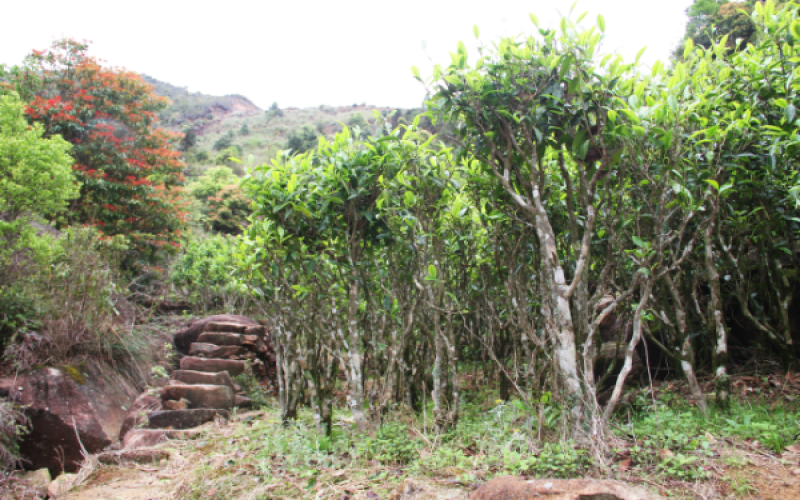
Distinguishing Tongtianxiang, Jiangmuxiang, and Jianghuaxiang: A Detailed Analysis of the Aroma Types of Phoenix Dancong Oolong Tea and the Classification of Tongtianxiang
Phoenix Dancong is renowned for its natural floral aromas, among which Tongtianxiang, Jiangmuxiang, and Jianghuaxiang are often confused with one another, though in reality each has its own distinct origins. Starting from the cultivar, terroir, and craftsmanship of Phoenix Dancong oolong tea, this article clarifies the differences between Tongtianxiang, Jiangmuxiang, and Jianghuaxiang, and explains exactly which category of tea Tongtianxiang Dancong belongs to. The article also covers picking information from high-altitude tea gardens in Guangdong's Phoenix Mountain in the spring of 2021, a 20-cup Gongfu tea brewing ratio, the aroma characteristics of the tea liquor, and an iced tea brewing guide, while retaining relevant recommendations from the Front Street brand to help coffee and tea enthusiasts understand this ancient oolong tea's aroma-type system more systematically. [more…]
Colombia 2011 COE Champion Estate: Full Analysis of Spring Estate Coffee Flavor and Origin
Colombia, as the world's third-largest coffee-producing country, nurtures countless specialty coffees thanks to the diverse microclimates and high altitudes of the Andes. In 2011, a tiny 2.8-hectare farm—Finca La Primavera—claimed the COE championship with a record-breaking price of $45 per pound. It belongs to the Los Naranjos Coffee Association and is carefully managed by farm owner Arnulfo. This article takes you deep into the industrial background of Colombian coffee, the ecological processing innovation, and the cultivation details, cupping flavors, and judge comments of Finca La Primavera. Front Street Coffee especially recommends this champion farm bean, with rich layers from almond and longan flower tea to grapefruit acidity—worth savoring slowly by coffee lovers. [more…]